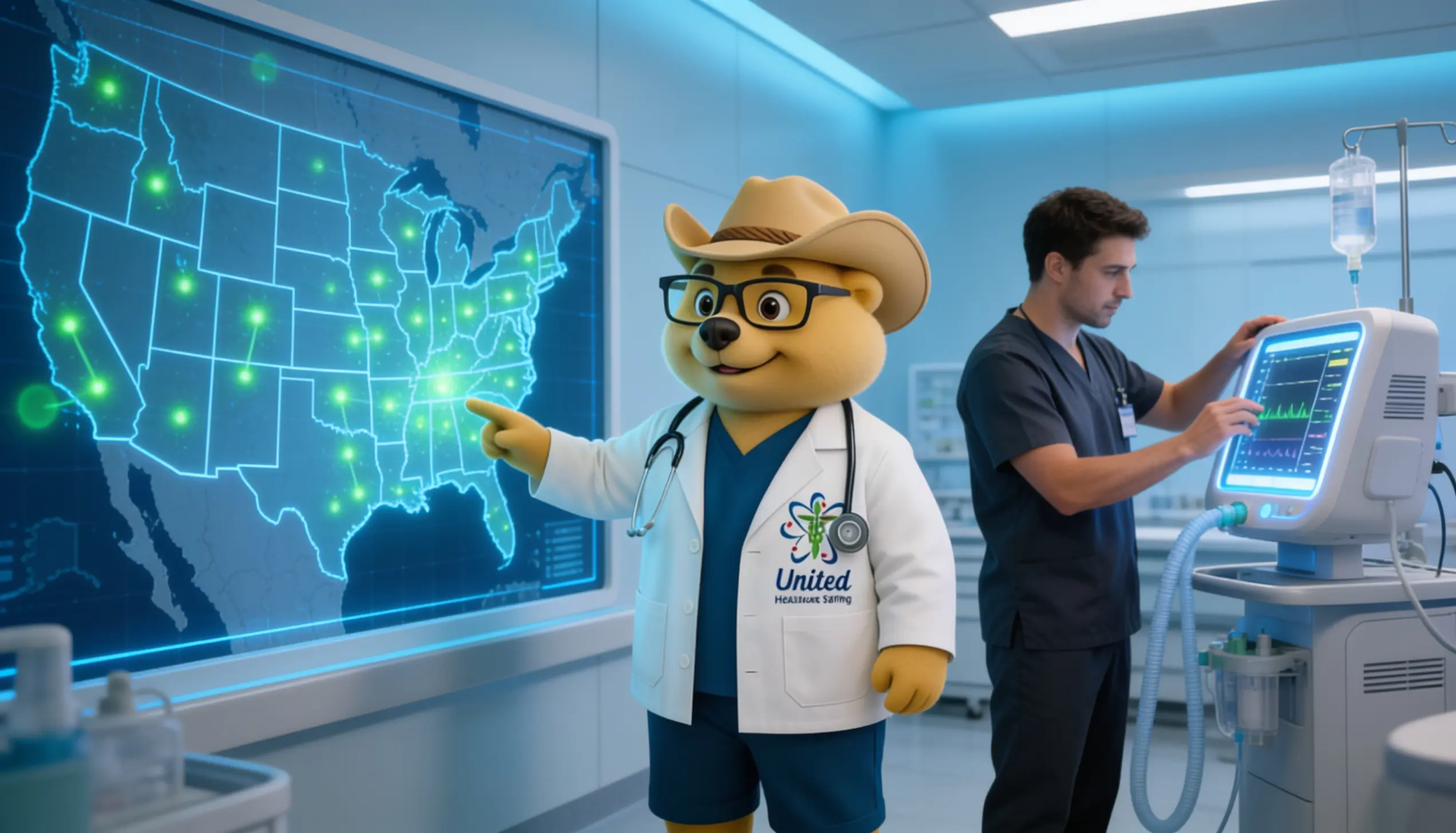
Artificial intelligence is rapidly transforming healthcare, and medical imaging stands at the center of this evolution. For MRI technologists, the rise of AI imaging in 2026 represents opportunity, professional growth, and a stronger clinical role. Rather than replacing MRI technologists, AI is enhancing their expertise and value. Advanced imaging systems rely more than ever on skilled professionals who can combine technology with clinical judgment and patient care. The future of MRI is innovative, exciting, and deeply human-centered.
What Is AI Imaging in MRI?
AI imaging uses artificial intelligence algorithms to assist with image acquisition, reconstruction, analysis, and workflow optimization during MRI scans. These tools are designed to improve efficiency, accuracy, and consistency while supporting diagnostic interpretation.
How AI Enhances MRI Imaging:
- Improves overall image quality
- Reduces scan time and motion artifacts
- Flags potential abnormalities for review
- Supports radiologist interpretation
- Enhances consistency across imaging studies
While AI-enhanced MRI systems offer significant technological advantages, they do not operate scanners, manage patient safety, or respond to real-world clinical variables. These critical responsibilities continue to rest with skilled MRI technologists, whose expertise ensures accurate, safe, and patient-centered imaging.
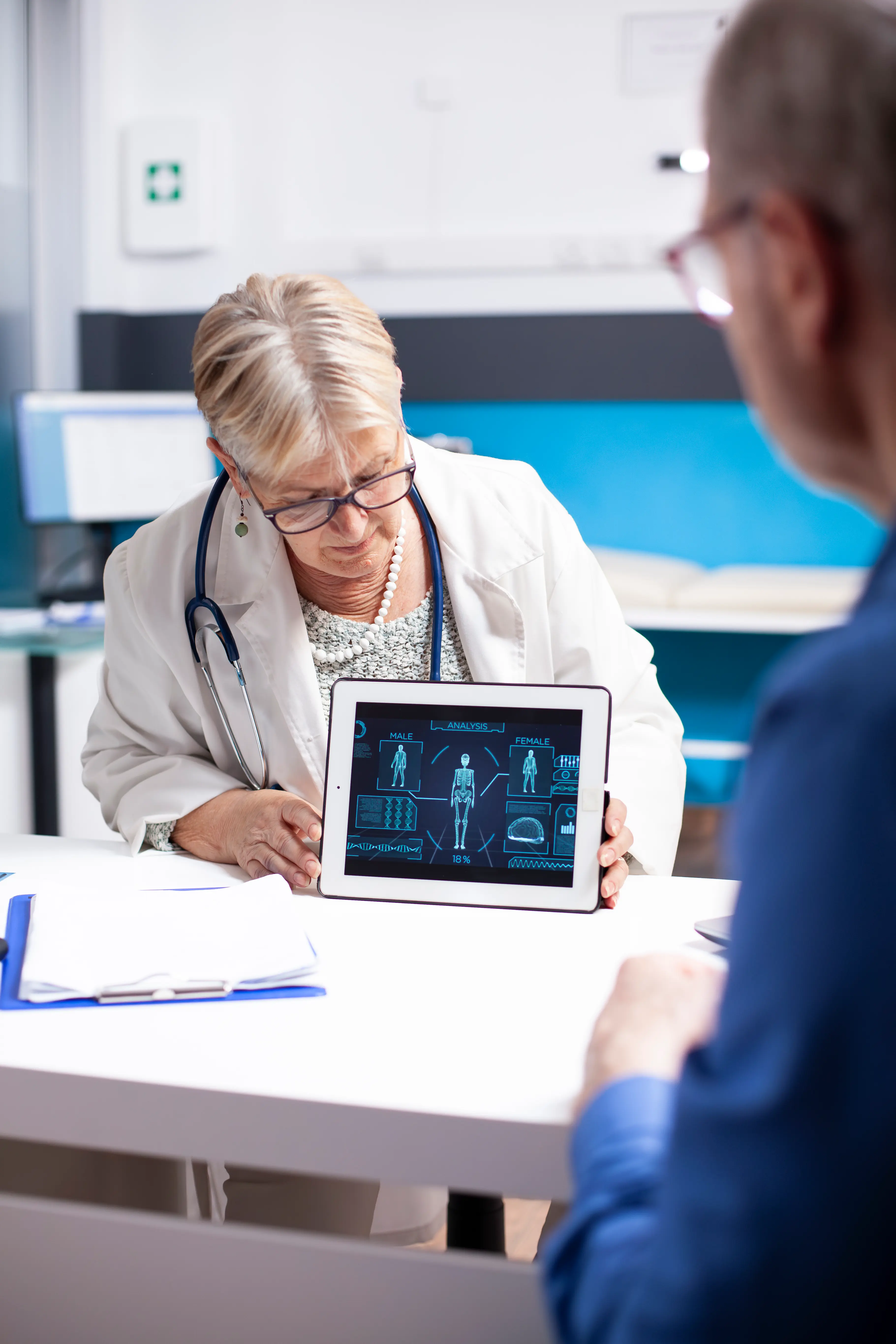
How AI Is Reshaping the Role and Importance of MRI Technologists
AI as a Clinical Support Tool
In 2026, AI functions as a clinical assistant rather than a replacement. MRI technologists remain responsible for patient positioning, protocol selection, scan monitoring, and ensuring diagnostic-quality images. AI supports efficiency, but human expertise ensures accuracy and safety.
Smarter Workflows and Faster Scans
AI-driven MRI systems help shorten scan times and automate routine adjustments. This allows technologists to focus more on patient comfort, precise positioning, and image quality. Improved workflows increase efficiency without compromising care standards.
Growing Demand for Advanced MRI Expertise
As MRI technology becomes more sophisticated, healthcare facilities increasingly rely on technologists who understand AI-assisted protocols and advanced reconstruction methods. MRI technologists collaborate closely with radiologists to troubleshoot complex imaging scenarios and optimize scan outcomes.
Expanded Role in Clinical Decision Support
While AI tools may flag potential abnormalities, MRI technologists ensure that AI-generated images meet diagnostic standards. They identify scan limitations, recognize technical issues, and communicate critical information that supports accurate interpretation and diagnosis.
Patient-Centered Imaging Remains Essential
Despite advances in automation, patient care remains central to MRI. Technologists manage anxiety, claustrophobia, mobility challenges, and special patient needs. Adjusting protocols for pediatric, geriatric, or cognitively impaired patients requires empathy and clinical judgment that technology cannot replace.
Safety Oversight and Risk Management
MRI safety is complex and high-risk. MRI technologists are responsible for comprehensive safety screening, evaluating implants and contraindications, and responding to emergencies. AI cannot replace human decision-making in these critical situations.
Specialization and Career Growth Opportunities
AI supports expansion in advanced imaging areas such as neurological, cardiac, oncology, musculoskeletal, and functional imaging. These growing specialties require experienced MRI technologists with strong technical and clinical expertise. Rather than reducing jobs, AI creates long-term career growth and stability for professionals who continue learning and adapting.
Organizations like UHC Staffing (UHC Staffing) support MRI technologists by connecting them with facilities using advanced imaging technologies and helping them navigate evolving imaging environments with confidence.
Got Questions?
No. AI supports imaging, but MRI technologists remain essential for safety, quality, and patient care.
Basic familiarity helps, but clinical imaging expertise remains the most important skill.
Yes. Demand for MRI services continues to grow alongside technological advancements.
AI improves efficiency, but skilled technologists are still required for accurate and safe scans.