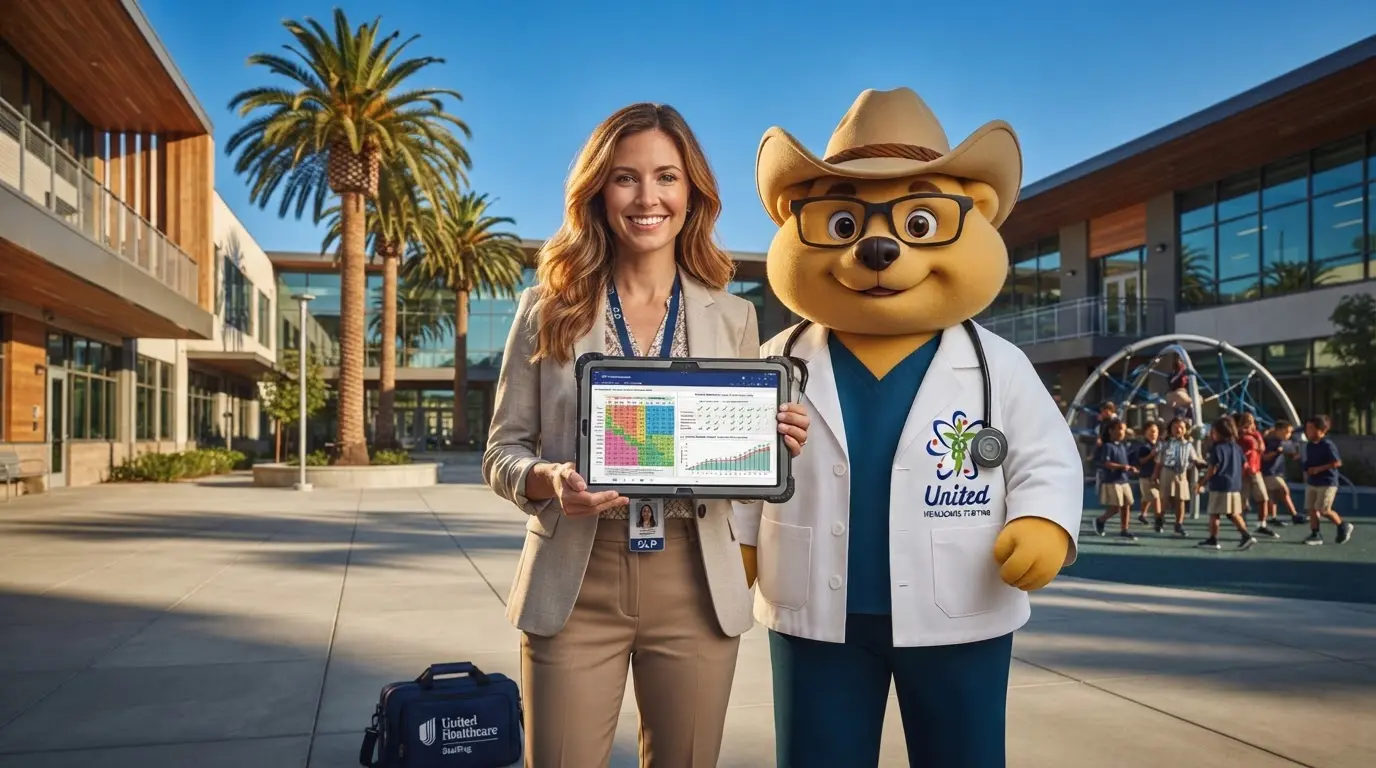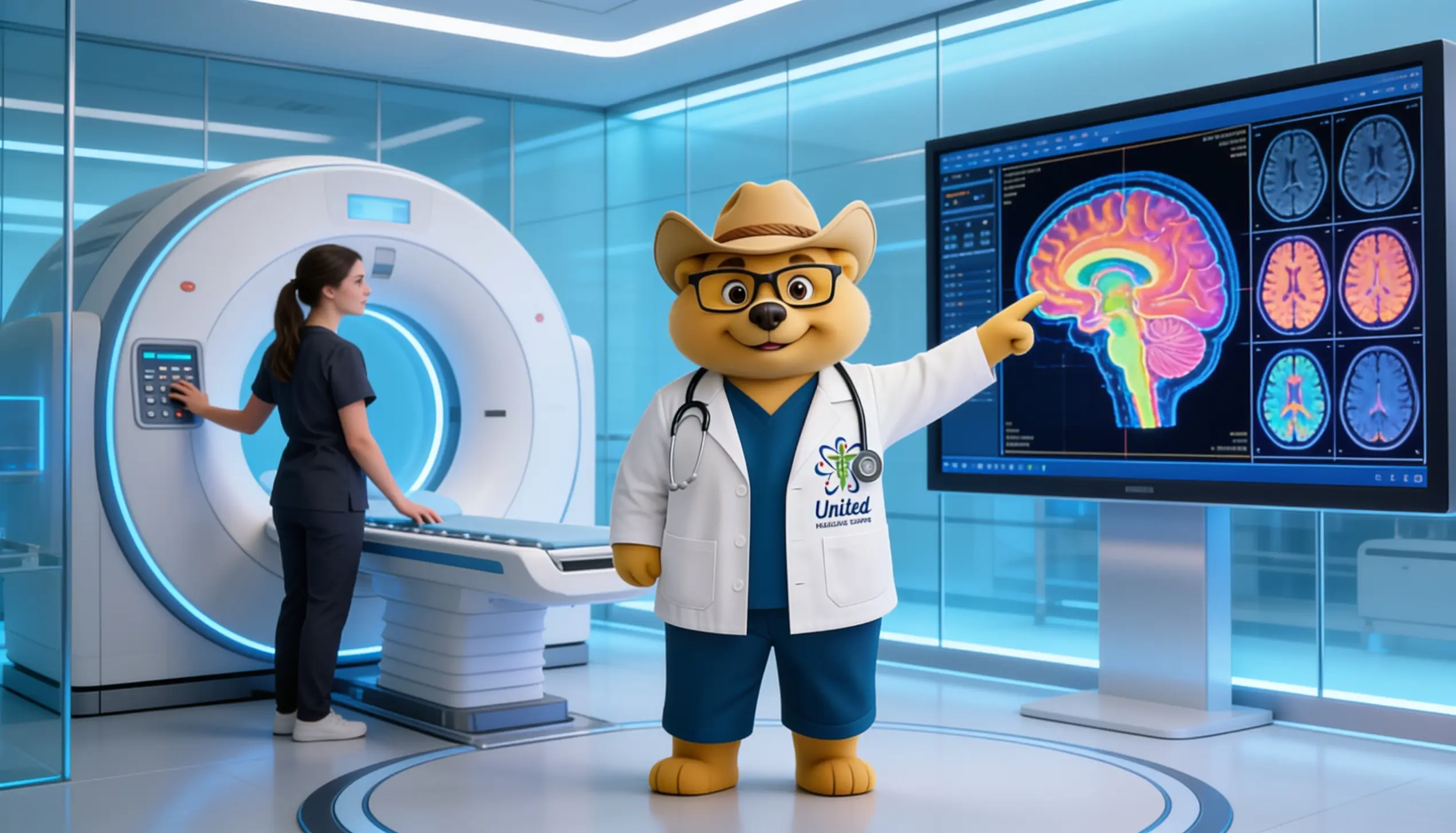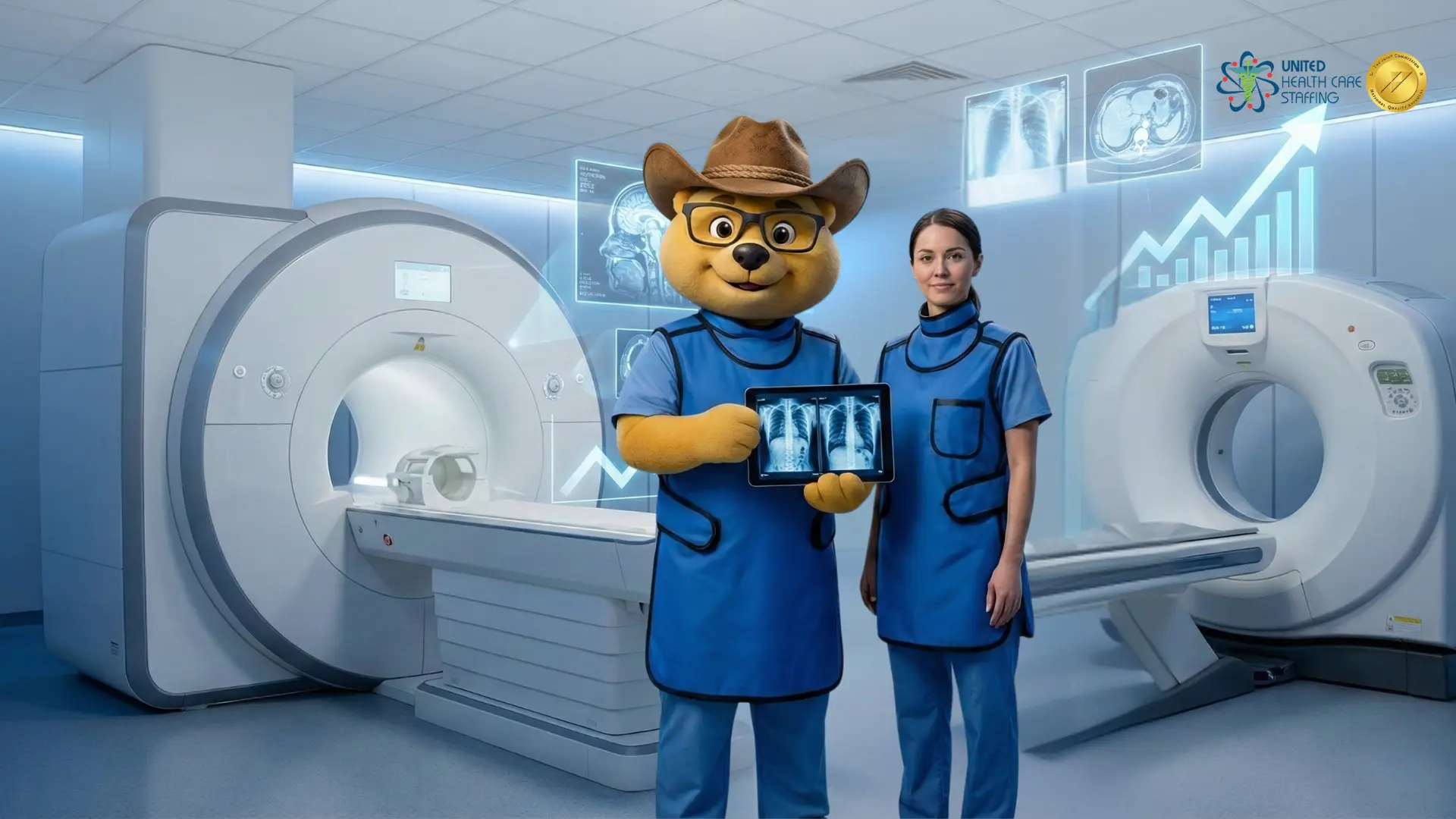
Hello imaging heroes! Uni-Ted here, wrapped up in my favorite blue scarf and ready to talk about one of the most essential and in-demand healthcare roles today: Radiology Technologists. If you’ve been hearing that radiology techs are “hard to find” or “absolutely critical,” that’s not hype. In 2026, radiology technologists are among the most in-demand healthcare professionals, driven by rising diagnostic imaging needs, workforce shortages, and the growing role of imaging in patient care. As healthcare becomes more data-driven and precise, radiology technologists continue to shape the future of diagnosis, treatment, and patient outcomes.
Imaging Is Central to Modern Medicine
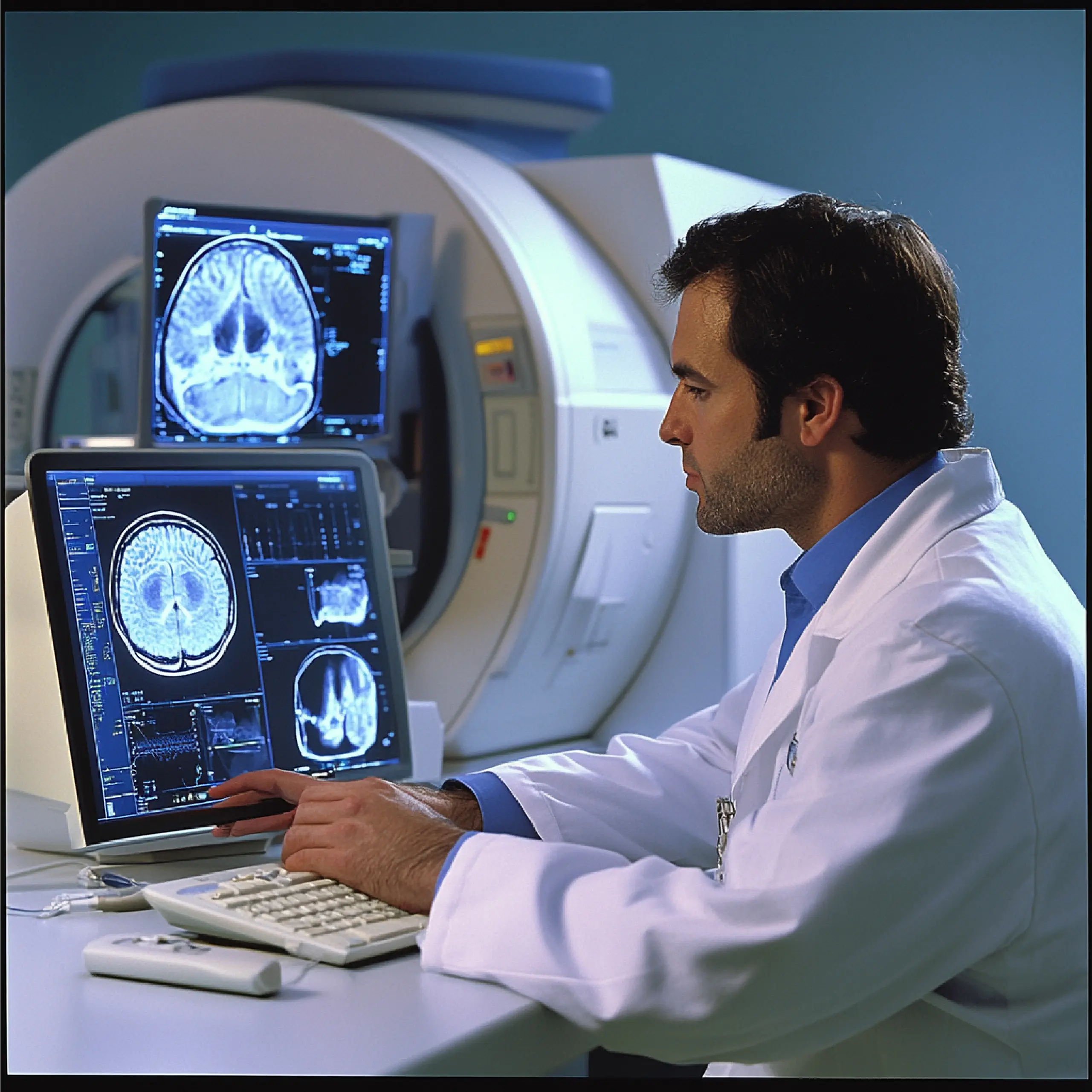
Medical imaging is a cornerstone of modern healthcare and a key driver behind the growing demand for radiology technologists. From emergency care to outpatient diagnostics, imaging supports nearly every stage of diagnosis and treatment.
How Medical Imaging Supports Patient Care:
- Diagnosing injuries and illnesses
- Guiding treatment and surgical planning
- Monitoring disease progression
- Supporting preventive and follow-up care
As imaging volumes continue to rise across hospitals, emergency departments, imaging centers, and outpatient clinics, the need for skilled diagnostic imaging technologists continues to grow. Without radiology technologists, diagnostic workflows slow and patient care is delayed.
Why Demand for Radiology Technologists Continues to Rise
Growing Patient Volumes Across Healthcare Settings
Healthcare systems are experiencing higher patient volumes due to aging populations, chronic conditions, and expanded preventive imaging. This increases demand for radiology technologists across hospitals, imaging centers, outpatient clinics, emergency departments, and specialized diagnostic facilities.
Essential Role in Emergency and Trauma Care
Radiology technologists play a critical role in emergency and trauma settings by supporting rapid imaging for fractures, internal injuries, stroke, neurological conditions, and respiratory distress. Fast, accurate diagnostic imaging enables life-saving clinical decisions.
Technology Has Increased Demand, Not Reduced It
Advances in imaging technology have not replaced radiology technologists. Instead, technology has expanded imaging capabilities, increased scan volumes, raised quality standards, and created new subspecialties that require skilled human oversight.
Bridging Advanced Technology and Patient Care
Radiology technologists uniquely combine technical expertise with patient-facing care. They explain procedures, manage anxiety, adjust imaging techniques, ensure patient comfort, and adapt protocols in real time—an essential human role that cannot be automated.
Focus on Safety, Compliance, and Quality Standards
Medical imaging involves strict radiation safety and regulatory requirements. Radiology technologists are responsible for exposure control, equipment checks, quality assurance, and compliance, protecting both patients and healthcare staff.
Expanding Imaging Specialties Create Career Opportunities
Modern radiology extends beyond basic X-rays into CT imaging, MRI, interventional radiology, mammography, and mobile imaging services. These expanding specialties increase long-term demand for adaptable and highly trained radiology technologists.
Workforce Shortages Drive Hiring Competition
Across the U.S., healthcare facilities face retiring professionals, fewer new graduates, increased imaging volumes, and burnout from understaffed departments. As a result, radiology technologist jobs in 2026 are among the most actively recruited roles in healthcare.
Supporting Nearly Every Medical Specialty
Radiology technologists support emergency physicians, surgeons, oncologists, orthopedists, cardiologists, neurologists, and primary care providers. Their work directly impacts nearly every diagnosis and treatment plan.
A Future-Proof Healthcare Career Path
Radiology remains a future-proof healthcare career because diagnostic imaging demand continues to rise, technology expands imaging applications, and human expertise remains essential. Radiology technologists will continue to be vital to modern healthcare delivery
Organizations like UHC Staffing (UHC Staffing) support radiology technologists by connecting them with healthcare facilities that value high-quality imaging, patient safety, and long-term professional growth.
Got Questions?
Radiology technologists are in high demand because diagnostic imaging is essential across nearly all medical specialties, and trained professionals are required to perform imaging safely and accurately.
Yes. While technology improves efficiency, skilled radiology technologists are needed to operate equipment, ensure safety, and provide patient-centered care.
Radiology remains one of the most stable and in-demand healthcare careers due to ongoing diagnostic needs and expanding imaging services.
No. Radiology technologists work in hospitals, imaging centers, outpatient clinics, emergency departments, and specialized diagnostic facilities.