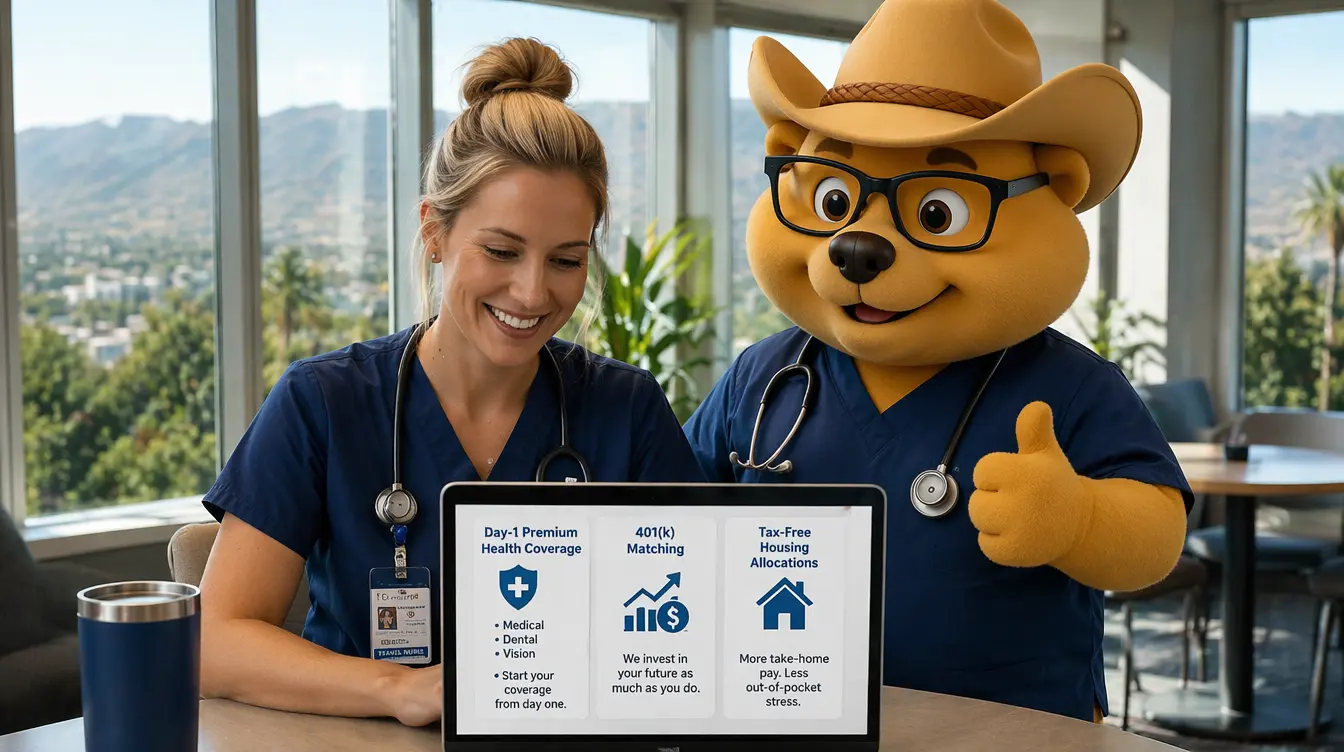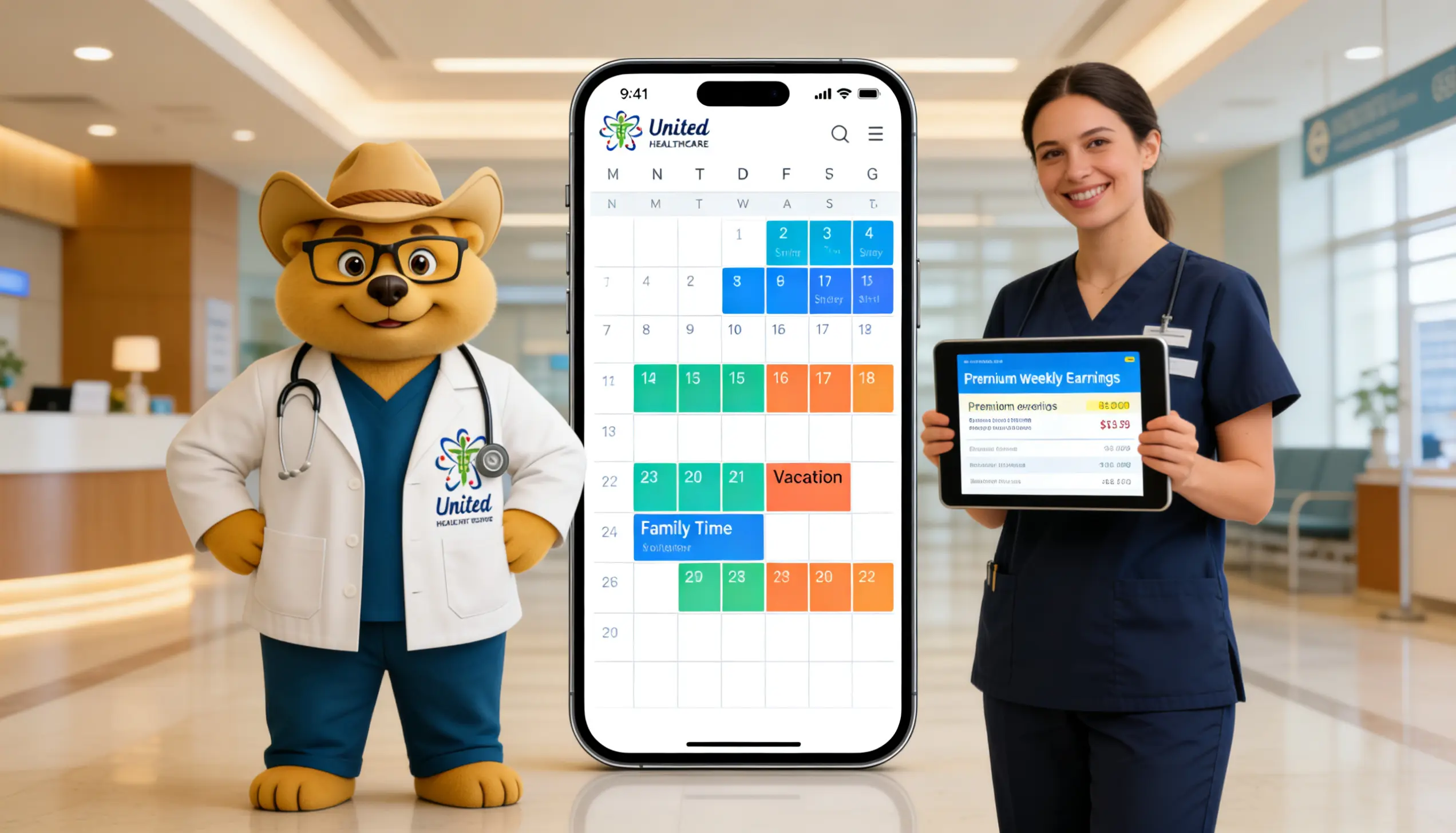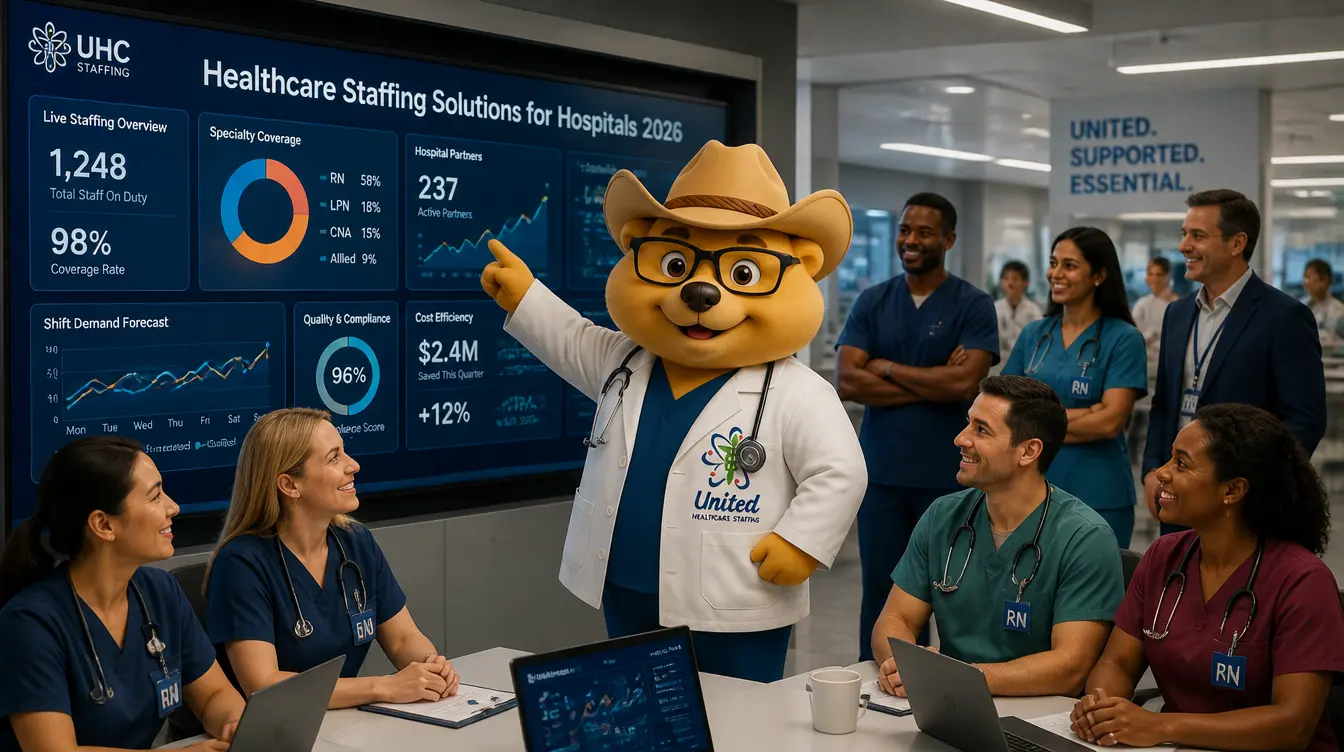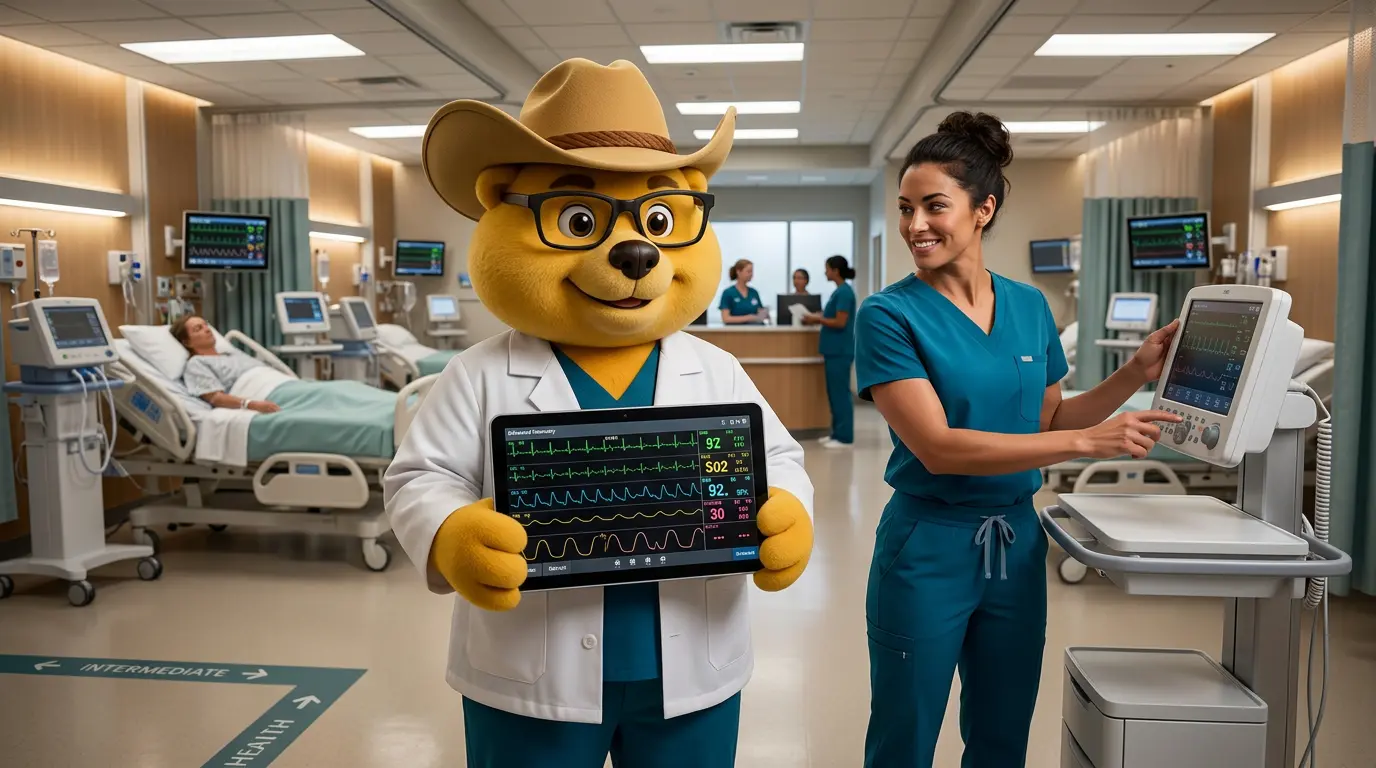

Hello cardiac wizards, rhythm masters, and clinical pathfinders! Uni-Ted here, wrapped up in my favorite blue scarf and ready to help you navigate one of the most high-reward, high-velocity sectors in the healthcare workforce: PCU Travel Nurse Jobs. As we advance through 2026, the landscape of inpatient medicine has shifted dramatically. The gap between general medical-surgical floors and high-acuity intensive care units has widened, making the Progressive Care Unit (PCU) the absolute backbone of hospital throughput. Hospitals are facing an unprecedented volume of intermediate-acuity patients who require continuous monitoring, complex drip titrations, and rapid clinical interventions. Because permanent staff pools are stretched thin, healthcare systems are offering massive premiums for adaptable, highly skilled clinicians who can step onto the floor through stepdown travel nurse contracts. Whether you are looking to make the transition from telemetry to PCU travel jobs or you are an intermediate care veteran looking to maximize your PCU travel nurse salary 2026, your clinical skillset is your ticket to the top tier of compensation. Let's break down the essential competencies you need to lock in the most lucrative contracts in the country!
Related Career Opportunities
Ready to take your progressive care expertise on the road? Explore these premium travel assignments:
Why 2026 is a Breakthrough Year for Progressive Care Nursing Jobs
The supply-and-demand dynamics of 2026 have turned progressive care into a critical focal point for hospital operations. Health systems are restructuring their units to maximize bed efficiency, placing a historic premium on versatile intermediate care professionals.
The Current State of the PCU Travel Market:
- Acuity Compression Upward: General med-surg patients present with higher comorbidities, turning traditional floors into stepdown environments and driving a surge in progressive care nursing jobs.
- Premium Compensation Packages: Due to the shortage of nurses possessing both ICU-lite skills and med-surg efficiency, high paying PCU assignments are currently rivaling traditional ICU contract rates.
- The Telemetry Transition Boom: Evolving matrices have made moving from telemetry to PCU travel jobs the number one career advancement path for higher pay and sharper skills.
- Geographic Variances: The best states for PCU nurses actively adjust compensation models, offering large, tax-free housing stipends and rapid credentialing to secure out-of-state talent.
- Advanced Tech Competency: Modern pcu travel nurse jobs demand immediate familiarity with non-invasive positive pressure ventilation (NIPPV) and automated charting interfaces.
Securing elite stepdown travel nurse contracts requires more than just holding an unencumbered RN license. You must demonstrate specific, high-acuity competencies that prove you can safely manage patient panels.
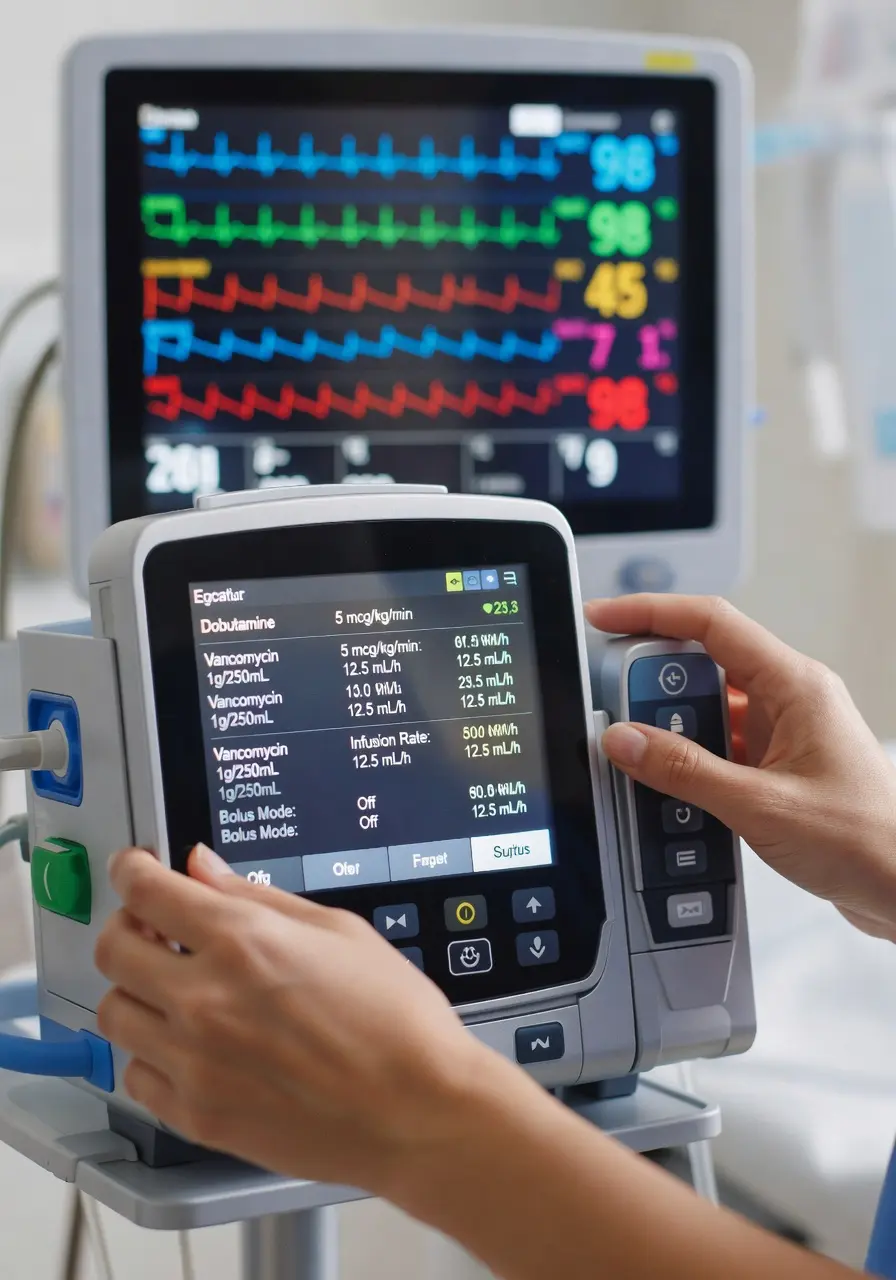
Strategic Deep-Dive: Essential Skills for High-Paying PCU Assignments
Securing elite stepdown travel nurse contracts requires more than just holding an unencumbered RN license. To command top-tier market rates, you must demonstrate specific, high-acuity competencies that prove to hiring managers you can protect their patient panels from day one without an extended orientation period.
Advanced Telemetry Interpretation and Dysrhythmia Management
At the core of all progressive care nursing jobs is an absolute mastery of cardiac monitoring. To land high paying PCU assignments, you must be fluent in identifying lethal dysrhythmias and recognizing subtle ST segment changes. When transitioning from telemetry to PCU travel jobs, emphasizing comfort with temporary pacemakers and anti-arrhythmic drips like Amiodarone or Cardizem elevates your profile above the competition.
Mastery of Hemodynamic Monitoring and Vasoactive Drips
What separates a floor nurse from a progressive care specialist is managing unstable hemodynamics. High-paying intermediate care travel nursing roles involve caring for patients stepping down from the ICU who require vasoactive infusions. You must be competent in monitoring arterial lines, interpreting central venous pressures (CVP), and safely titrating medications like Cardene, Nitroprusside, or low-dose Dopamine.
Advanced Respiratory Interventions and Airway Management
In 2026, the PCU has become the primary destination for patients requiring advanced respiratory support who do not yet need mechanical intubation. Top-tier stepdown travel nurse contracts expect travelers to be experts in managing BiPAP, CPAP, and high-flow nasal cannula systems. You must be skilled in interpreting arterial blood gases (ABGs), recognizing the early signs of acute respiratory distress syndrome (ARDS), and troubleshooting ventilatory settings in collaboration with your respiratory therapy colleagues. Your ability to decisively manage a respiratory decline prevents unnecessary ICU transfers, which is a key metric hospitals look for when hiring premium travelers.
Rapid Cognitive Flexibility and "ICU-Lite" Critical Thinking
When evaluating the best states for PCU nurses, California remains a leader due to mandated ratios preventing burnout while keeping hourly base rates high. However, for maximizing net take-home pay, look closely at Texas and Washington due to zero state income tax. Texas, in particular, features a massive healthcare infrastructure with an urgent demand for specialized cardiac stepdown travel nurse contracts.
Got Questions?
Frequently Asked Questions About PCU Travel Nursing
While compensation fluctuates based on location and facility type, premium PCU travel assignments in 2026 are consistently bringing in weekly gross packages between $2,400 and $3,600. Assignments featuring specialized neuro or cardiac stepdown requirements typically land at the higher end of this spectrum.
Not if you are proactive about your clinical competencies. Telemetry forms the baseline architecture for progressive care. By obtaining your ACLS, mastering advanced drip titrations, and spending a few months cross-training in an intermediate care environment, you become fully qualified for premium PCU contracts.
Beyond your active RN license, you should hold Basic Life Support (BLS) and Advanced Cardiovascular Life Support (ACLS). To secure the absolute highest-paying contracts, obtaining your PCCN (Progressive Care Certified Nurse) or SCRN (Stroke Certified Registered Nurse) credential is highly recommended.
Ratios vary by state and individual facility policies. In progressive states like California, the legal ratio is strictly capped at 1:3 for stepdown units. In other regions, it may float between 1:3 and 1:4 depending on real-time unit acuity shifts.
Most premium travel agencies and hospital systems require a minimum of 1 to 2 years of solid, full-time inpatient experience in a staff PCU or telemetry setting. This ensures you can safely operate with total autonomy in a completely unfamiliar facility.
The industry standard remains a 13-week assignment, typically requiring three 12-hour shifts per week. However, due to seasonal census fluctuations, hospitals frequently offer short-term 8-week rapid response options or lucrative 26-week extensions.
We serve as your strategic career advocate. We give you direct, real-time access to high-paying contracts across the nation, fast-track your state credentialing, optimize your clinical resume to highlight your intermediate care expertise, and negotiate maximum tax-free stipends for your journey.